


PREFACE
Preface
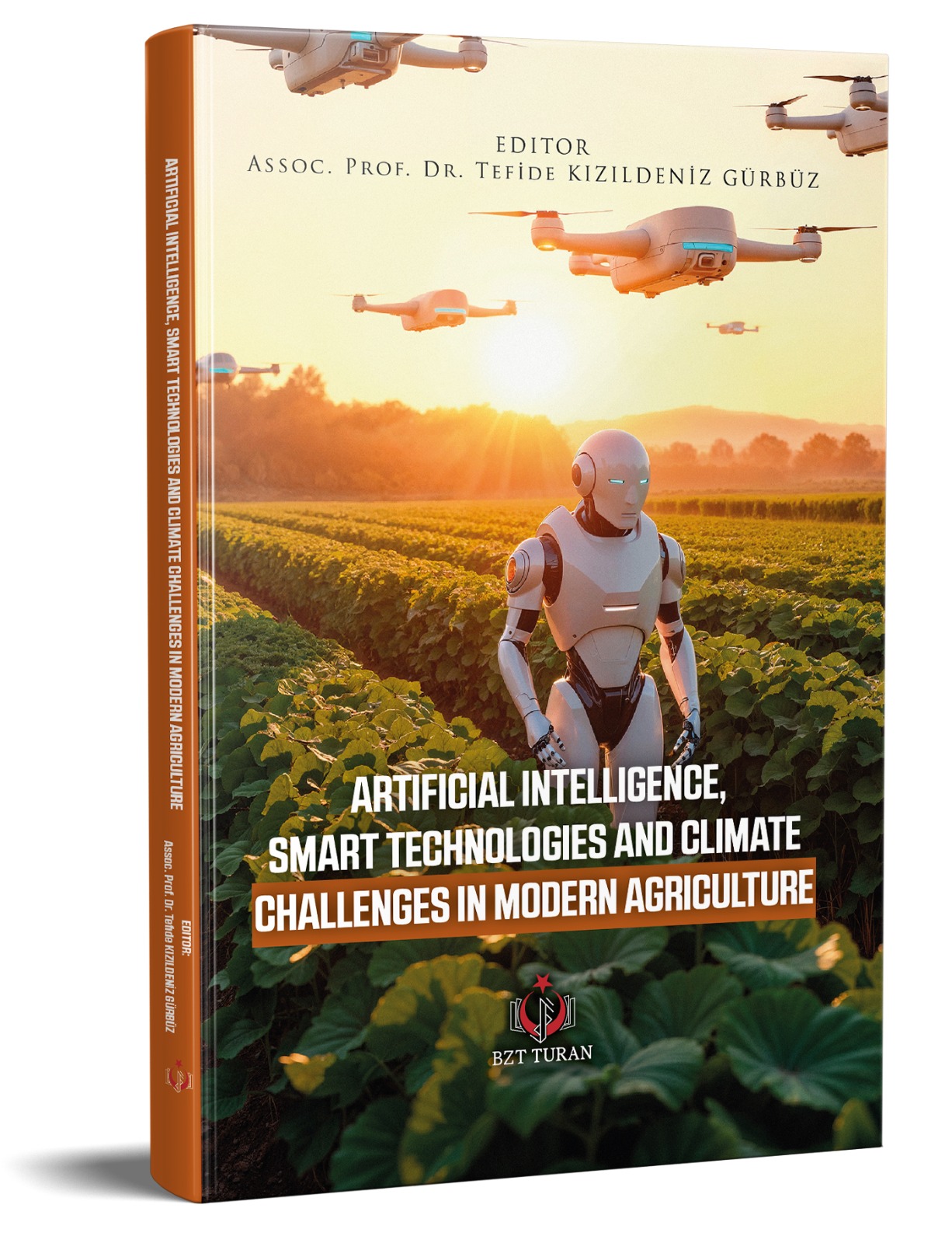
The intersection of technological innovation, environmental concerns, and the urgent need for sustainable food production is driving a profound transformation in modern agriculture. Rapid advancements in artificial intelligence, data integration, and smart technologies are reshaping how agricultural systems are monitored, managed, and optimized. At the same time, global challenges such as climate change, resource scarcity, and emerging food safety risks demand comprehensive and forward-looking solutions.
Smart and Sustainable Agriculture: AI, Data Integration, and Climate-Driven Challenges brings together interdisciplinary contributions that reflect the evolving landscape of contemporary agriculture. The chapters explore how emerging technologies—including data fusion techniques integrating satellite, UAV, and sensor data, as well as AI-driven synthetic data generation—can enhance decision-making processes and improve agricultural productivity.
Beyond digital innovations, the book also addresses critical engineering challenges in agricultural systems, including improving fuel efficiency, reducing emissions, and minimizing noise levels in modern machinery, all within the context of environmental sustainability. Furthermore, it examines key issues at the intersection of climate change, plant health, and food safety. In particular, it highlights the growing risks posed by mycotoxins and their implications for global food systems from a One Health perspective.
By integrating perspectives from agricultural engineering, data science, environmental sciences, and food safety, this volume aims to provide a comprehensive overview of both the challenges and opportunities facing modern agriculture. It is intended as a valuable resource for researchers, practitioners, policymakers, and students seeking to better understand sustainable and technology-driven agricultural systems.
The editor would like to express sincere gratitude to all contributing authors for their dedication and scholarly contributions. It is hoped that this book will inspire further research and innovation toward more resilient, efficient, and sustainable agricultural systems.
Assoc. Prof. Dr. Tefide Kızıldeniz Gürbüz
Değerlendirmeler
Henüz değerlendirme yapılmadı.