


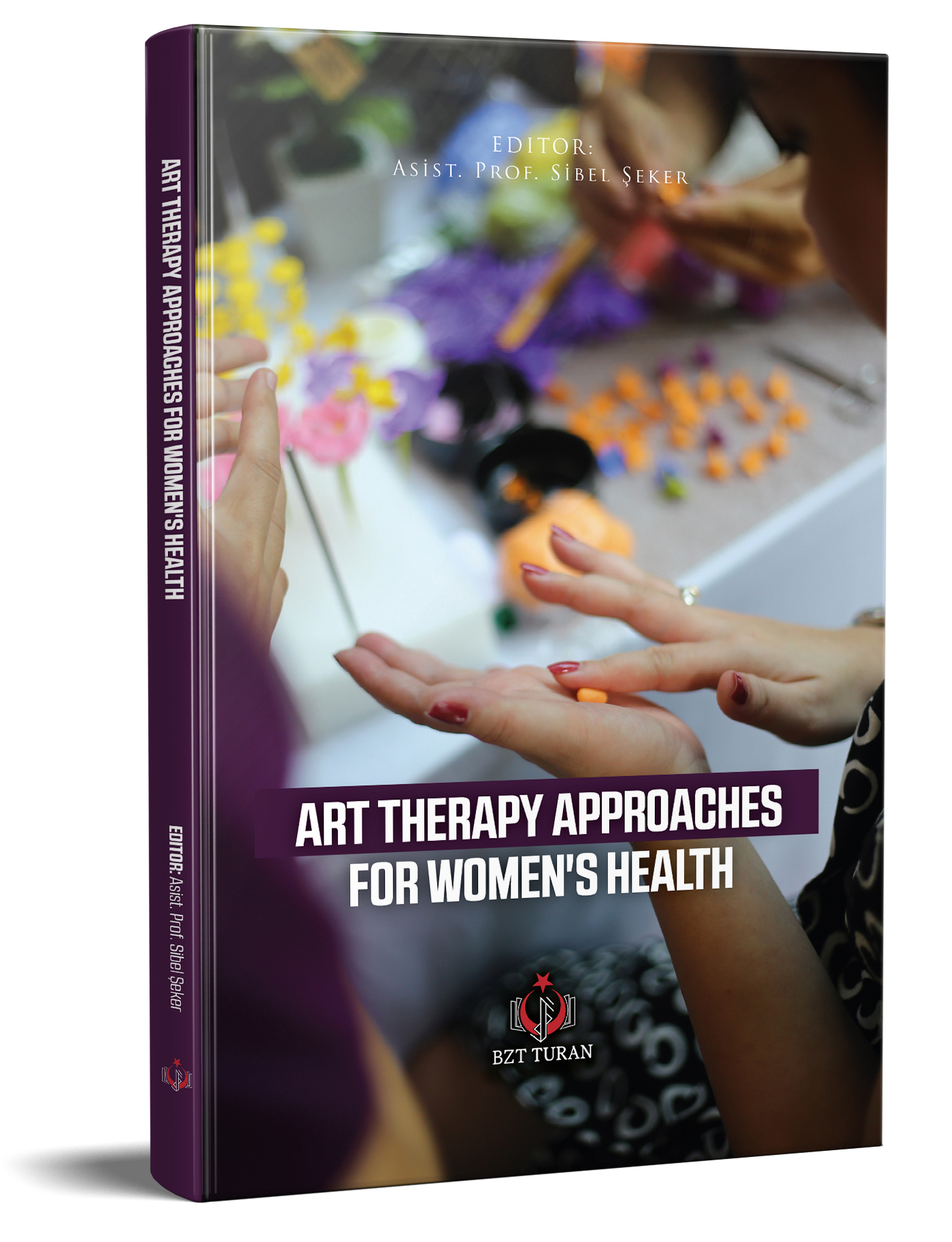
Description
Since the dawn of time, humankind has imitated nature to create works of art such as painting and music. Drawings on cave walls and the first melodies—born from imitating the wind and evolving into expressions of belief and daily life—formed the foundation of modern art. The sculptures that adorn ancient cities and the earliest musical notes inscribed in the ancient city of Tralles provide valuable insights into how art has enriched human existence throughout history.
For centuries, works of art created in societies around the world have carried multiple meanings: expressions of daily life and emotions, symbols of power and nobility, proofs of creativity, elements of faith, and indispensable parts of entertainment. The healing power of art has long been recognized by many civilizations. As early as the 5th century BC, hospitals in the ancient city of Pergamon utilized the therapeutic qualities of water sounds alongside its hygienic benefits. Similarly, the healing power of music was frequently used in the treatment of patients in Turkish, Seljuk, and Ottoman hospitals.
Art therapy is a discipline that aims to enhance the physical, spiritual, and emotional well-being of individuals of all ages through the creative power of art. The recognition of art’s healing power as a scientific discipline emerged in the 20th century in the United States and the United Kingdom. Since then, various forms of art have been used as balancing tools for individuals across different ages and genders in their pursuit of mental and physical harmony. Although not itself a form of art, mindfulness serves as an important tool in helping individuals determine the most suitable art therapy methods for themselves, thereby playing a significant role in the therapeutic process.
This book explores several methods applied in the field of women’s health—a discipline encompassing a broad range of art therapy practices. It also presents examples from women’s health to illustrate how mindfulness can enhance the effectiveness of art therapy interventions.
We hope that this book will serve as a valuable resource for women and readers interested in the intersection of art, healing, and holistic well-being.
Asst. Prof. Sibel Şeker
Aydın Adnan Menderes University, Faculty of Health Sciences, Department of Midwifery


Reviews
There are no reviews yet.