


PREFACE
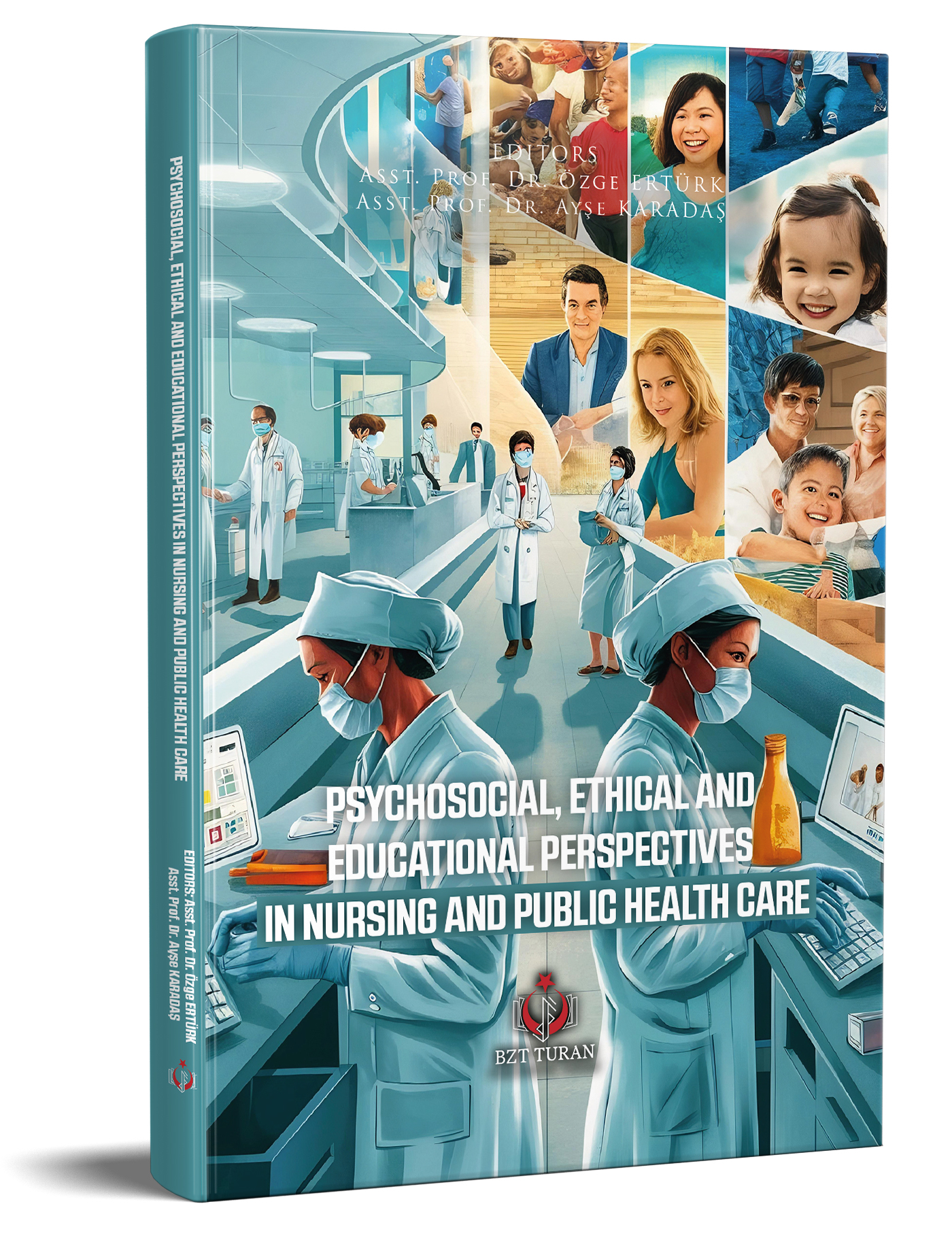
Contemporary healthcare is marked by increasing clinical complexity, rapid digitalization, psychosocial vulnerability, and heightened ethical responsibility. Within this evolving landscape, nursing emerges as a discipline that integrates scientific rigor, human sensitivity, and adaptive leadership across clinical, educational, and societal domains. This edited volume brings together a diverse yet conceptually coherent collection of nursing-centered studies that address evidence-based clinical practice, educational innovation, psychosocial health, workplace well-being, ethical sensitivity, and disaster-related challenges.
The impact of digital lifestyles on health and well-being is critically examined in “Digital Detox and Quality of Life: A Literature-Based Review.” By synthesizing current research, this chapter explores digital overload, technology-related stress, and the implications of digital detox strategies for mental health, daily functioning, and overall quality of life—an increasingly significant concern for both healthcare professionals and the populations they serve.
Psychosocial health across the lifespan constitutes a major thematic axis of this volume. The chapter “Psychosocial Effects of Chronic Illnesses on Children and Families in Childhood” presents a family-centered analysis of chronic disease, focusing on emotional burden, coping mechanisms, and the supportive role of nursing interventions in pediatric care. Complementing this perspective, “Psychosocial Challenges in Adolescents with Siblings Who Have Special Needs” sheds light on an often-overlooked population, emphasizing emotional resilience, role strain, and the necessity of holistic nursing support for adolescents within complex family systems.
Workplace health and organizational well-being are addressed in “Silent Destruction in the Workplace: Mobbing and Its Health Effects—An Analysis in the Context of ILO Recommendations.” This chapter examines workplace mobbing as a significant occupational health risk, analyzing its physical, psychological, and professional consequences while aligning nursing advocacy with international labor standards and ethical responsibilities.
Holistic and integrative approaches to psychological recovery are explored in “The Importance of Animal–Human Interaction in Psychological Healing.” This contribution highlights therapeutic human–animal interactions as supportive interventions that promote emotional regulation, stress reduction, and psychological resilience, underscoring their relevance in mental health and rehabilitation settings.
Finally, the ethical and emotional dimensions of nursing practice under extreme conditions are examined in “Addressing the Moral Difficulty and Sensitivity Experienced by Nurses within the Dimension of Disaster.” This chapter analyzes moral distress, ethical dilemmas, and emotional sensitivity encountered by nurses during disasters, emphasizing preparedness, ethical frameworks, and psychosocial support mechanisms essential for sustaining the nursing workforce in crisis contexts.
Taken together, the chapters in this volume reflect the multidimensional nature of modern nursing—encompassing intensive clinical care, education, psychosocial health, workplace justice, ethical sensitivity, and disaster response. By integrating evidence-based practice with human-centered and ethically grounded perspectives, this book aims to make a meaningful contribution to nursing science, professional development, and health system resilience. It is intended as a valuable resource for researchers, clinicians, educators, and students committed to advancing nursing knowledge and improving health outcomes across diverse populations and care settings.



Değerlendirmeler
Henüz değerlendirme yapılmadı.