


PREFACE
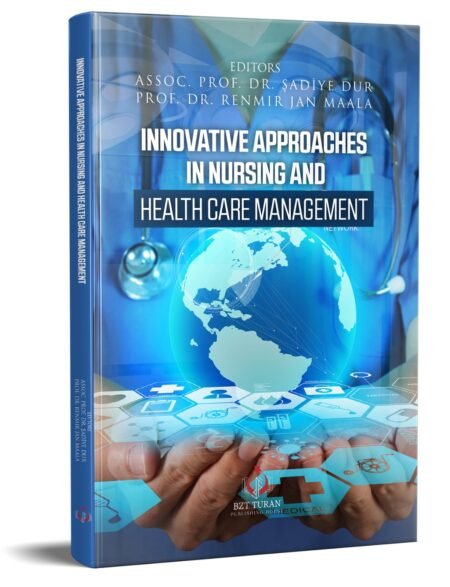
In the twenty-first century, healthcare systems are being reshaped by rapid technological advancement, population aging, global public health emergencies, and the growing demand for safe, ethical, and patient-centered care. Within this evolving landscape, nursing emerges not merely as a supportive profession but as a leading force in evidence-based practice, interdisciplinary integration, and sustainable healthcare transformation. This volume brings together contemporary nursing research alongside a focused contribution on elderly care, offering a comprehensive and future-oriented academic framework.
Quality of care and patient safety constitute a foundational pillar of this book. The chapter “Use of Care Bundle in Pressure Ulcers: A Bibliometric Analysis with VOSviewer” presents a systematic and data-driven overview of global research trends in pressure ulcer prevention. Through bibliometric mapping techniques, the study highlights the increasing prominence of care bundles as standardized, nurse-led interventions that significantly enhance clinical outcomes and overall healthcare quality.
Another central theme of the volume is the integration of artificial intelligence into healthcare practice. In “AI-Based Decision Support Systems in Healthcare: Examples and Application Areas,” emerging AI technologies are examined as strategic tools that support clinical judgment, optimize care processes, and reduce decision-making errors. This technological focus is further expanded in “The Role of Artificial Intelligence in Healthcare Services Provided to the Elderly,” which constitutes the book’s dedicated contribution to elderly care. This chapter emphasizes how AI-driven systems promote independence, continuity of care, and personalized health services for older adults—an increasingly critical concern in aging societies worldwide.
Child health and safety are addressed through a multidimensional perspective. The chapter “Pediatric Patient Safety in Emergency Departments: Current Approaches and Recommendations” examines risk management strategies, safety culture, and evidence-based nursing interventions in high-intensity emergency settings. Complementing this approach, “Pandemic Effects on Child Health: A Review of Literature from the Last Five Years” synthesizes recent international research to reveal the physical, psychological, and social consequences of pandemics on children, underscoring the essential role of nurses in prevention, resilience, and recovery processes.
Holistic and human-centered nursing care represents another key dimension of the book. “Kangaroo Care Accompanied by Music” integrates developmental nursing, family-centered care, and therapeutic interventions, demonstrating how non-pharmacological approaches enhance neonatal well-being and strengthen parent–infant bonding. Similarly, “A Milestone in the Breastfeeding Process: Self-Compassion” introduces an innovative psychosocial perspective, emphasizing maternal emotional resilience and the role of self-compassion in sustaining successful breastfeeding practices.
Chronic disease management and patient empowerment are critically explored in “The Importance of the Empowerment Approach in Self-Management Levels of Individuals with Diabetes.” This chapter foregrounds empowerment-based nursing models that promote autonomy, health literacy, and long-term self-management, reflecting a paradigm shift from disease-centered approaches to patient-centered healthcare delivery.
Finally, the volume situates nursing practice within the broader context of global and environmental health challenges. “The Impact of Climate Change on Women’s Health and the Role of the Public Health Nurse” addresses climate-related health risks, gender-based vulnerabilities, and the expanding responsibilities of public health nurses as educators, advocates, and leaders within sustainable health systems.
Collectively, the chapters in this book reflect the intellectual depth, ethical responsibility, and transformative capacity of contemporary nursing, child health, and elderly care research. By integrating perspectives on artificial intelligence, patient safety, empowerment, compassion, and public health, this volume makes a meaningful contribution to academic literature, clinical practice, and health policy development. It is intended as a valuable reference for researchers, practitioners, educators, and students committed to advancing nursing science and improving health outcomes across the lifespan.



Değerlendirmeler
Henüz değerlendirme yapılmadı.